






BENTO123 * Bandar Slot Gacor Terbaik Malam Ini Pecahan Termantap!
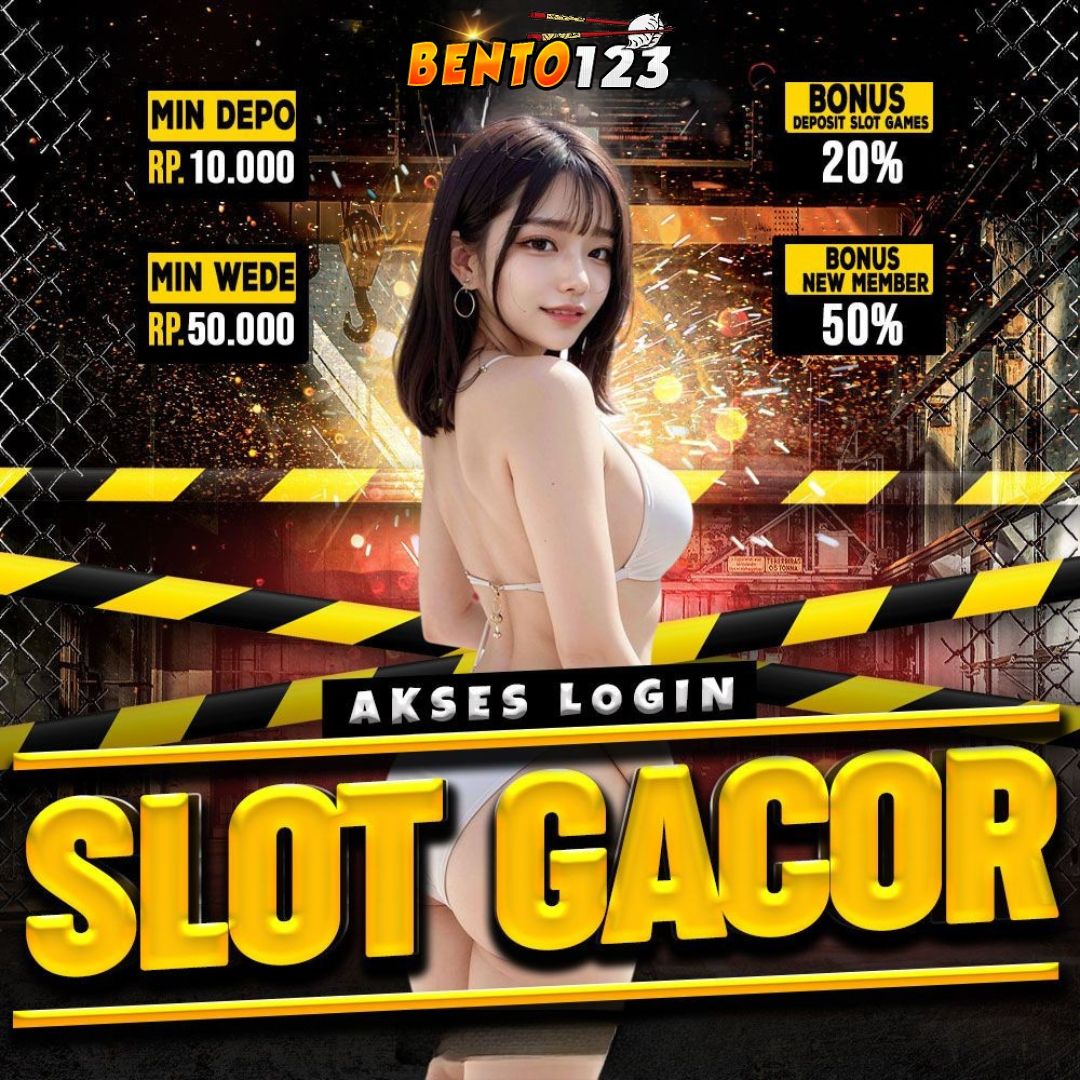
BENTO123 * Bandar Slot Gacor Terbaik Malam Ini Pecahan Termantap!
Pragmatic Jadi Sorotan, Pemain Ramai Membahas Kemunculan Scatter
BENTO123 NEWS – Hari ini, berbagai komunitas slot online ramai membicarakan permainan dari Pragmatic yang disebut-sebut menghadirkan kemunculan simbol scatter lebih sering dari biasanya. Percakapan tersebut berkembang pesat di media sosial dan forum komunitas, membuat banyak pemain penasaran untuk melihat langsung apa yang sedang menjadi bahan pembicaraan.
Sejumlah pemain membagikan pengalaman mereka mengenai sesi permainan yang dianggap cukup menarik. Kemunculan fitur bonus dan simbol khusus menjadi salah satu alasan mengapa permainan dari provider tersebut kembali masuk dalam daftar yang paling banyak diperhatikan. Meski setiap hasil permainan dapat berbeda, antusiasme pemain terlihat meningkat sepanjang hari.
Komunitas Slot Online Ikut Heboh dengan Fenomena Hari Ini
Banyak anggota komunitas mengaku terkejut dengan banyaknya laporan mengenai simbol scatter yang muncul dalam berbagai sesi permainan. Hal ini memicu diskusi panjang mengenai permainan mana yang sedang populer dan paling sering dicoba oleh para pemain. Tidak sedikit yang kemudian ikut berbagi pengalaman serta tanggapan mereka terhadap tren yang sedang berlangsung.
Fenomena tersebut membuat nama Pragmatic kembali menjadi pusat perhatian di kalangan pecinta slot online. Dengan banyaknya pembahasan yang beredar, permainan dari provider ini berhasil menarik minat pemain lama maupun pemain baru. Hari ini, BENTO123 mencatat bahwa topik mengenai scatter dan fitur bonus menjadi salah satu pembicaraan paling hangat di komunitas slot digital.







DAFTAR BENTO123 SEKARANG! Dan claim promo cashbacknya.